
Contractors need more than a reassuring component label when a fan will face changing roof and attic conditions. The motor design is one useful part of the reliability conversation, but it cannot establish how long the complete fan will last or what care it will need.
Become a Dealer for contractor-focused solar attic fan products, training, and support.
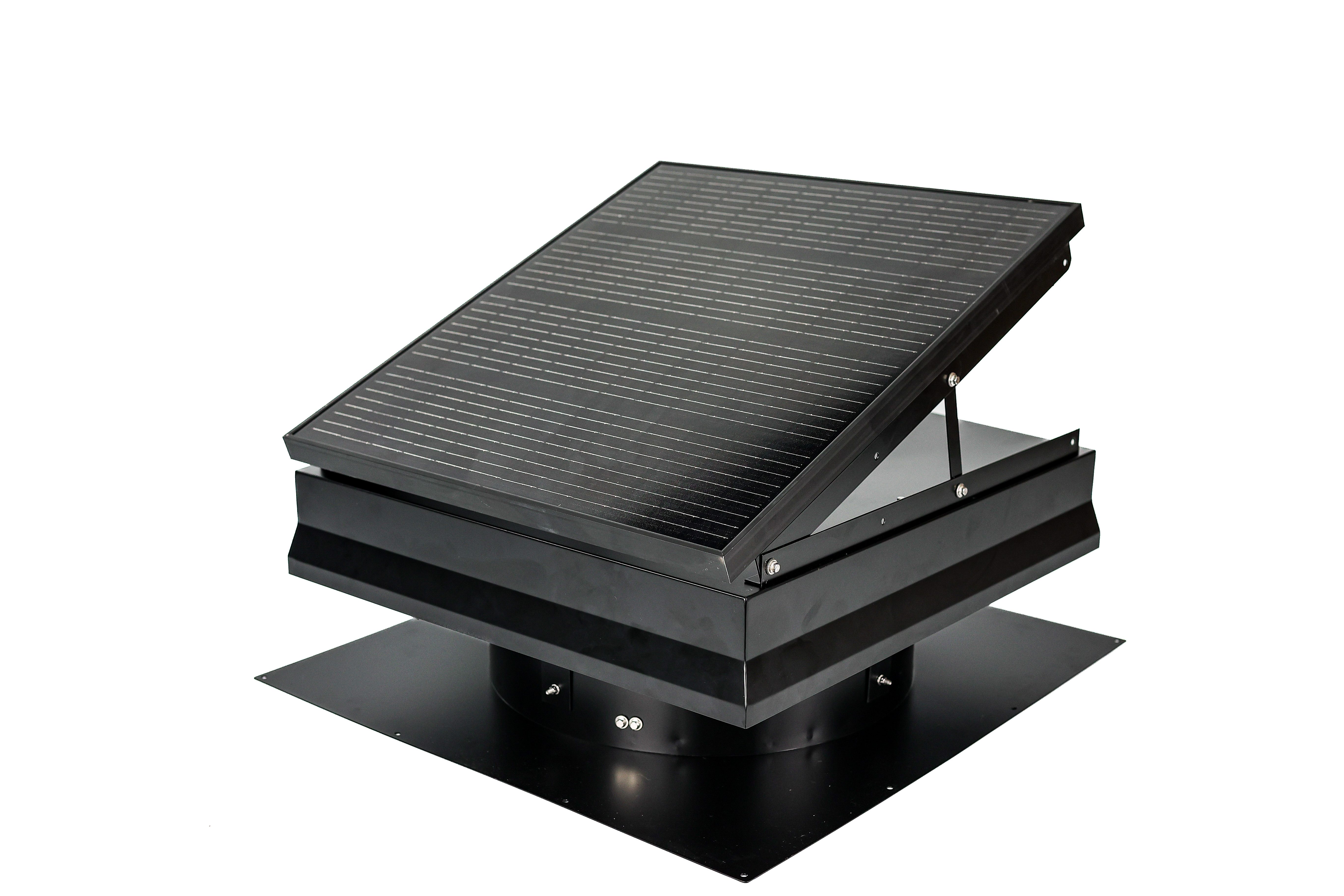
A solar attic fan brushless motor uses electronic switching rather than brushes to drive the motor, but that construction alone is not a lifespan guarantee. The Attic Depot documents a variable-speed 24-volt brushless motor across its listed solar attic fan models; contractors can review that specification on the solar attic fan product overview.
For a clear customer explanation, separate the documented product specification from what it does not promise, such as a specific service life or maintenance interval. Understanding how the motor turns electrical input into rotation makes that distinction easier to explain.
How a Solar Attic Fan Brushless Motor Works
A brushless motor turns electrical input into rotation without using brushes to transfer current to a spinning part. Inside the motor, the rotor is the rotating assembly and the stator is stationary. Permanent magnets on the rotor interact with magnetic fields created in the stator coils, producing torque that turns the fan.
In a typical brushless DC arrangement, electronics switch current through the stator coils in a timed sequence. This process, called electronic commutation, shifts the magnetic field so the rotor continues moving. As Nidec explains in its overview of brushless DC motors, detecting rotor position and switching coil current are part of the general operating principle. That description explains brushless motors generally; it does not identify the specific sensors or controller design inside any particular fan.
The solar panel and motor have related but distinct jobs. The panel supplies electrical power; the motor's coils and commutation electronics use electrical input to create controlled rotation. For a solar-powered fan, available solar input is part of the system context, while brushless describes how the motor produces rotation. It does not, by itself, establish an efficiency rating or guarantee a particular operating speed in every condition.
For product-specific conversations, The Attic Depot lists its solar attic fan models with variable-speed 24-volt brushless motors. Contractors can state that documented specification without inferring proprietary control details or unlisted performance benefits. Keeping the explanation at that level helps customers understand what the motor designation means while leaving model-specific output, application, and care questions to the relevant product documentation.
Brushless Motors and Long-Term Reliability: What Contractors Can Compare
The clearest distinction is how each motor transfers electrical current to create rotation. In a brushed DC motor, brushes make contact with a commutator, a mechanical switching component. In a brushless DC motor, the stationary coils are switched electronically, so that brush-and-commutator contact is not needed. Nidec explains the general brushless motor principle and the role of its drive circuit in its brushless DC motor overview.
| Comparison point | Brushed motor | Brushless motor |
|---|---|---|
| Current switching | Brushes contact a commutator to switch current mechanically. | Electronic circuitry switches current to the motor coils. |
| Contact wear item | Brushes are physical contact parts that can wear and may require attention as specified by the equipment maker. | The brush-and-commutator contact pair is removed; that does not mean every motor or fan component is wear-free. |
| Other system components | Performance still depends on the motor design and the equipment around it. | Electronic switching requires a drive circuit; the motor, controls, wiring, fan assembly, and installation remain part of the system. |
For a product comparison, keep this distinction at the principle level. The Attic Depot lists its solar attic fan models with variable-speed 24-volt brushless motors, as described on its solar attic fan product page. That specification identifies the motor type and voltage; it is not a measured comparison against a brushed fan. It does not establish a specific service life, efficiency, noise level, failure rate, or maintenance schedule. Contractors should compare model-specific documentation and the complete fan system, rather than treating the word "brushless" as a guarantee of a particular field outcome.
Does a Brushless Motor Mean Less Maintenance?
It can remove one specific wear item from the maintenance picture: a brushless motor has no brushes rubbing against a mechanical commutator. So brush and commutator wear are not concerns in the same way they are with a brushed design. That is a useful distinction, not a promise that the fan is maintenance-free. A brushless motor still operates as part of a complete assembly. And the product documentation does not establish a service interval or guarantee that components will never need attention.
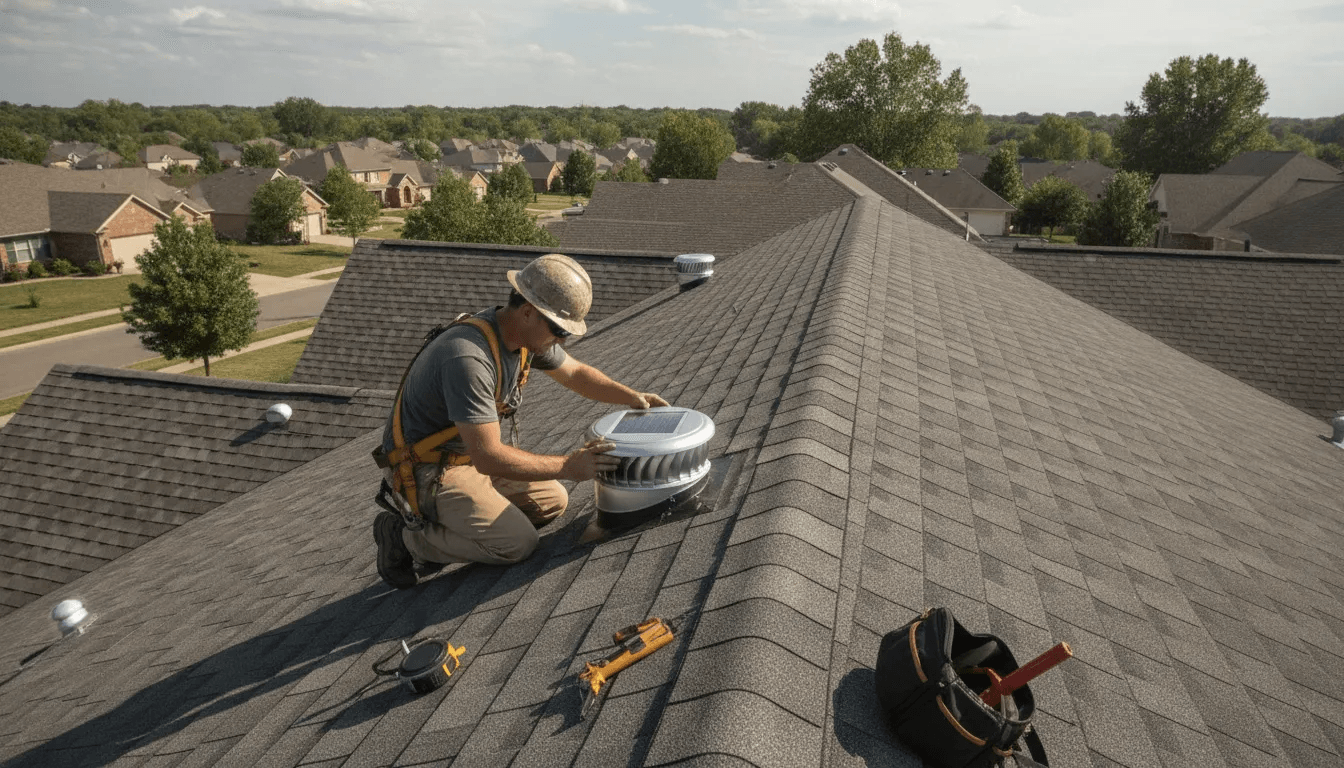
For contractors, keep routine checks at the whole-unit and installation level. During a site visit, look for visible damage, dirt or debris, moisture intrusion, loose or shifted mounting, and anything obstructing the fan's airflow or movement. Note unusual operating behavior and compare it with the product's instructions rather than assuming the motor itself is the cause. Do not open or attempt to repair electrical assemblies. If inspection points to a fault, use the manufacturer or supplier's support process.
Follow the model-specific manual for cleaning, inspection, and any service requirements; do not substitute a generic schedule. Installation condition matters too, so confirm the unit remains installed as specified and that the surrounding area has not changed in a way that blocks operation. The solar attic fan product overview can help contractors review available models and the installation approach. Explain the practical takeaway to clients: brushless construction avoids brush-related wear, while care and troubleshooting still depend on the complete fan and its documented instructions.
Why Warranty Terms Matter More Than a Lifetime Promise
When a customer hears "lifetime warranty", they may assume every failure and related cost is covered indefinitely. Set the expectation clearly: The Attic Depot's solar attic fans have a limited lifetime warranty against manufacturing defects. That is a defined coverage commitment, not a blanket promise against every cause of failure.
Labor for removal and reinstallation is excluded. The published terms also identify exclusions such as improper installation or maintenance, misuse, modifications, normal wear, accident damage, and weather events. Because coverage depends on the applicable terms, review the current solar fan warranty coverage before specifying a model or explaining a potential claim. Do not promise coverage based on the word "lifetime" alone.
Good installation records help keep product and job details straight if a question comes up later. Document the model, installation date, and relevant site or installation details, and retain the applicable product instructions. This is practical recordkeeping, not a guarantee that a future claim will be approved. Encourage customers to contact their installing contractor promptly if they notice a problem, so the fan and installation can be assessed against the actual warranty requirements.
For contractors, precise warranty language protects trust. Explain what the manufacturer covers, what it excludes, and where to find the full current terms. That is more useful than implying a *solar attic fan brushless motor* makes the entire fan or any service visit failure-proof.
How to Explain Motor Reliability to a Client
Keep the explanation specific to what the product documentation confirms. The Attic Depot's listed solar attic fan models use variable-speed 24-volt brushless motors. That is a useful design specification to share, but it is not a service-life estimate or a promise that the fan will never need attention.
A clear client explanation might sound like this: "This model uses a variable-speed, 24-volt brushless motor. Brushless describes how the motor is designed, not a guaranteed number of years in service. The fan's reliability also depends on choosing the right model for the application, suitable solar exposure, correct installation, and the condition of the complete fan assembly." Avoid converting the brushless label into claims about a failure rate, maintenance schedule, or lifespan unless product-specific documentation supports them.
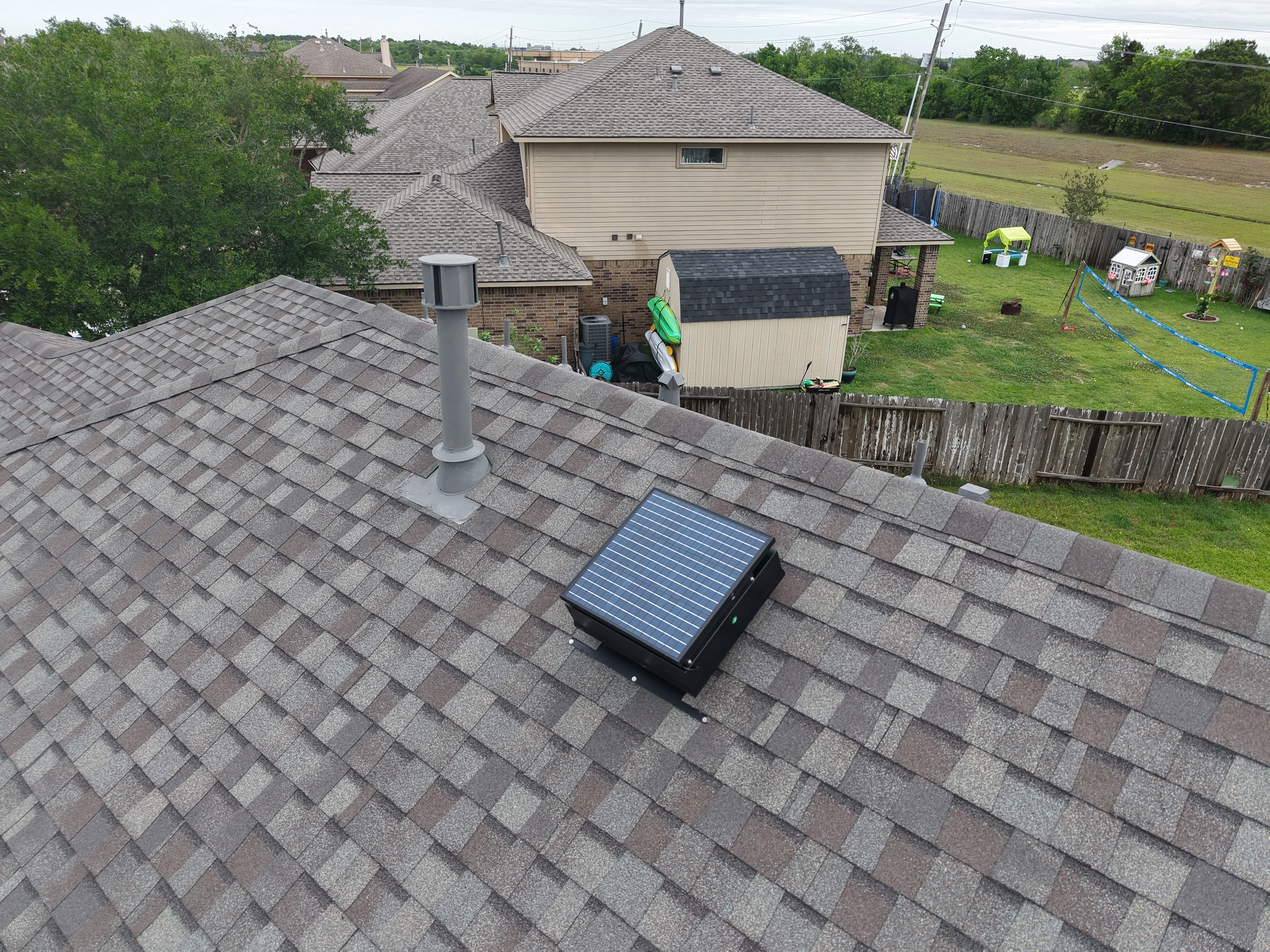
During a project discussion, connect the specification to what you have actually assessed. Confirm the selected model fits the job, consider whether the installation location receives the required solar exposure, and follow the model's installation instructions. Explain that the motor is one part of the assembly. So the motor spec alone cannot establish how the entire unit will perform in every roof or attic condition. For model and product details, point clients to the solar attic fan product overview.
Become a Dealer to review solar attic fan options and get contractor product support.
Set expectations about coverage separately from reliability. The Attic Depot describes its solar fan warranty as lifetime coverage against manufacturing defects, with labor for removal and reinstallation excluded; terms and exclusions apply. Direct clients to the current solar fan warranty coverage rather than describing the warranty as a lifetime service guarantee. If a concern arises after installation, document the model and installation details, review the applicable terms, and follow up through the appropriate support channel.
What Should Contractors Check Before Specifying a Solar Attic Fan?
Choose a fan only after reviewing the attic and the exact model documentation. A brushless motor is one part of the assembly; it does not establish that a particular unit suits every roof or ventilation layout. Work through the site conditions, then confirm the manufacturer's instructions before committing to a model.
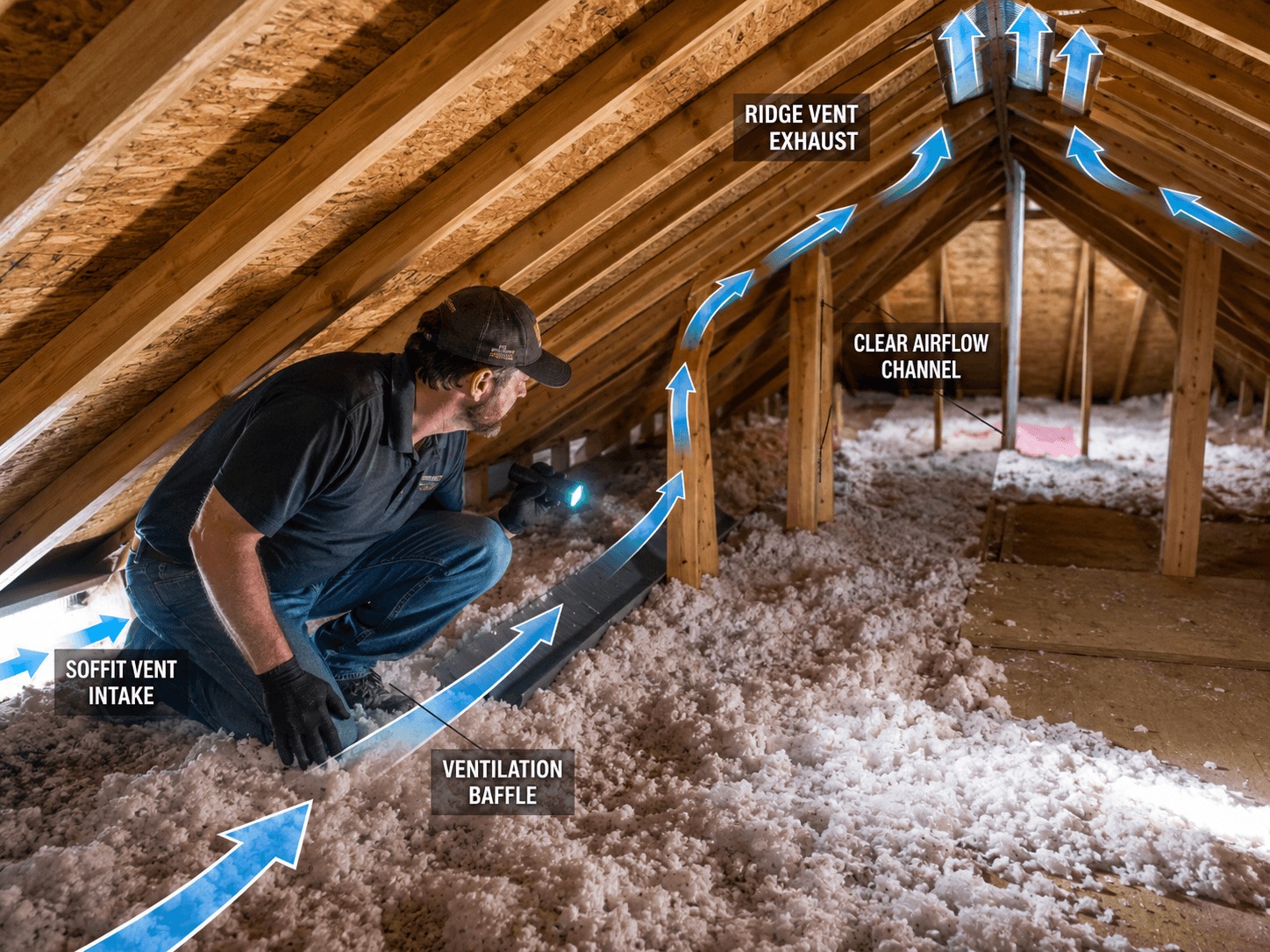
1. Assess the ventilation need and airflow path. Inspect existing intake and exhaust provisions, obstructions, and the attic's condition. Consider whether the fan will work with the available airflow path rather than treating the fan as a stand-alone fix. This airflow path evaluation can help frame the inspection. 2. Confirm the model's documented performance. Check the specific model's written airflow rating, coverage guidance, and application notes. Use published specifications for that model, not assumptions carried over from another fan. 3. Verify mounting suitability. Match the proposed roof or gable location and mounting configuration to the model's instructions. Review the surface and installation conditions, and confirm the unit can be secured as directed. 4. Review sun exposure and shading. Observe the proposed solar-panel location at the site. Note conditions that may shade it, and verify the manufacturer's guidance for placement rather than promising output based on a quick visual check. 5. Check existing equipment and instructions. Look for damage, dirt, moisture, obstructions, or other visible conditions that could affect the installation. Consult the manufacturer's instructions for the required checks and installation method. The solar attic fan product overview is a useful reference, but the selected model's documentation should govern the job.
Record the model and the site-specific considerations in the project notes. That gives the crew and customer a clear basis for the specification without turning a motor feature into an unsupported performance guarantee.
Frequently Asked Questions
What is a brushless motor in a solar attic fan?
It is a direct-current motor that uses electronic switching rather than brushes and a mechanical commutator to energize the stationary coils and turn the rotor. The Attic Depot lists its solar attic fan models with variable-speed 24-volt brushless motors. The motor principle is general engineering context; see Nidec's brushless motor overview and the product specifications for model details.
Does a brushless motor mean the fan is maintenance-free?
No. Brushless construction removes brush and commutator contact, but it does not eliminate care for the complete fan assembly. Follow the product instructions, inspect the installation and fan components, and clean only as directed. Do not assume a universal service interval. See the solar attic fan product overview for product information.
How long will a brushless motor last?
There is no supported, universal service-life number for these motors. Operating conditions, environment, maintenance, and the specific motor design can affect service life, and even maintained motors have finite lives. Treat brushless construction as a design description, not a guarantee against failure or a promise of a particular lifespan. Check the model documentation and explain the warranty separately from expected service life.
What does the solar fan lifetime warranty cover?
The Attic Depot's solar fan warranty provides lifetime coverage against manufacturing defects, subject to the full terms and exclusions. Labor for removal and reinstallation is excluded, and improper installation or maintenance, among other exclusions, may affect coverage. Review the current solar attic fan warranty terms before setting expectations with a client.
Ready to Add Solar Attic Fans to Your Contractor Offering?
Authorized dealer access can help you review product details and get contractor support when evaluating a solar attic fan for a project. Enrollment is free, with no contracts and no order minimums. Become a Dealer, or call 832-379-5757 with dealer enrollment or product questions.