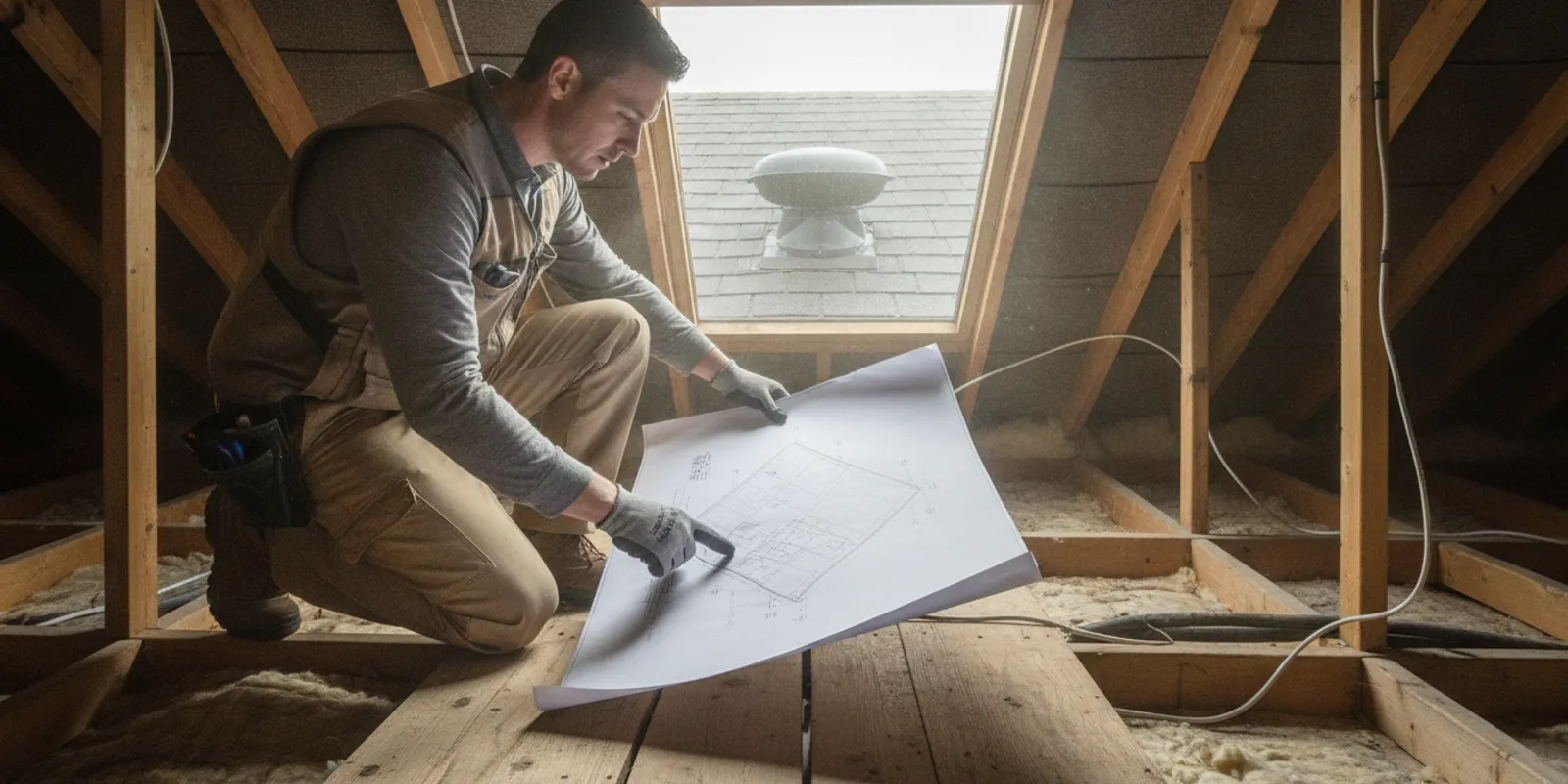

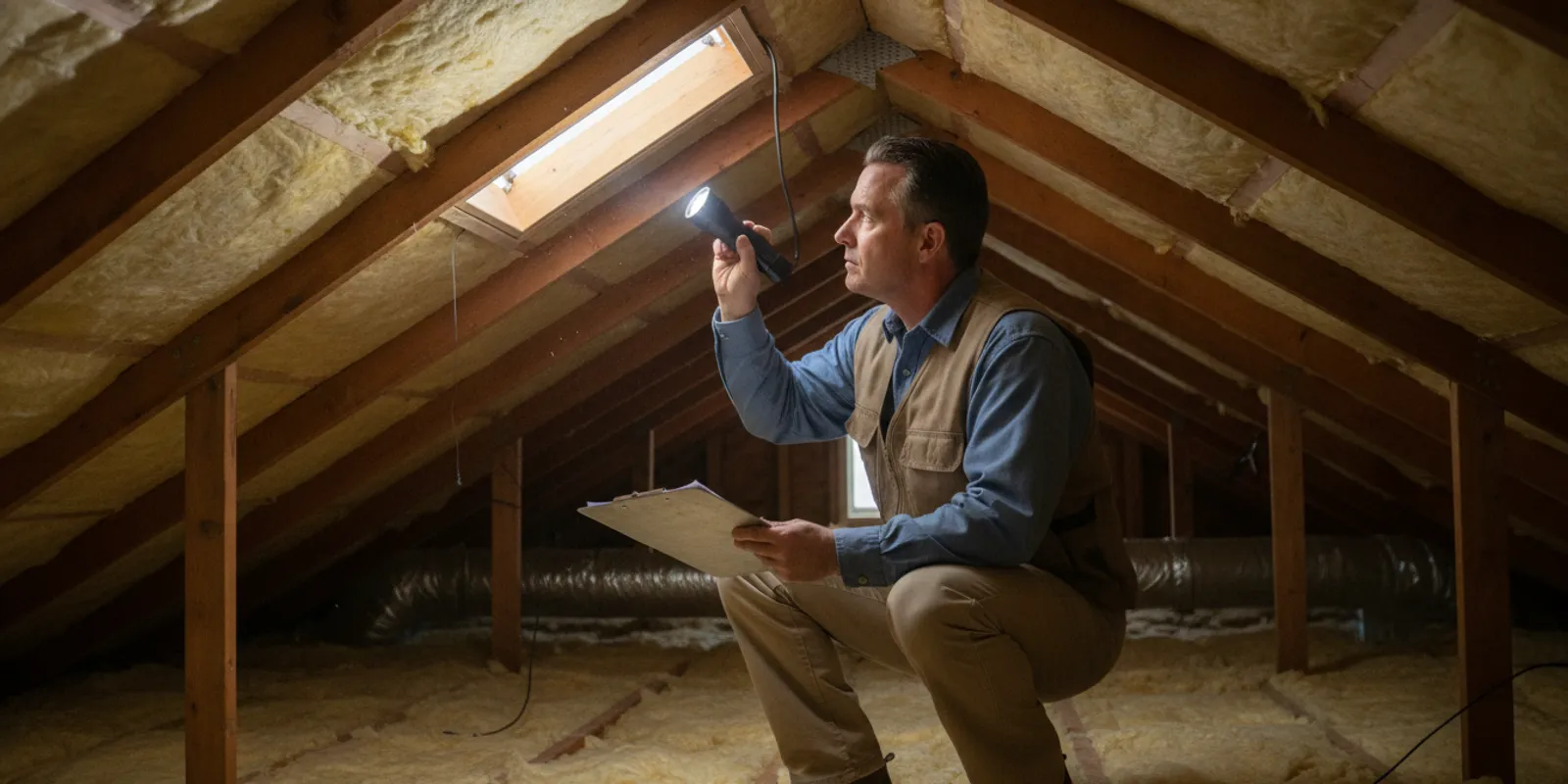
Attic fan repair calls can become a useful opportunity to solve a ventilation problem and build a stronger customer relationship. For contractors, the first step is to identify what the fan is doing, what type of system is installed, and whether the issue is a repair, a replacement, or a broader airflow concern. A clear inspection helps you recommend the next step without treating every noisy or inactive fan as the same job.
Talk with The Attic Depot about becoming a dealer
What should you check first on an attic fan repair call?
Start with the homeowner's description, then confirm the condition at the attic and exterior. Ask when the symptom started, whether it happens every time, and whether there were recent roof or electrical repairs. Note the fan's location, visible model information, control type, and the condition of the surrounding area. These details help separate a control issue from a mechanical problem or an airflow limitation.
Before handling equipment, follow the applicable safety practices and manufacturer instructions. Do not assume that all attic fans have the same power source or controls. The Attic Depot's solar attic fan models, for example, are designed without electrical wiring, but an existing fan at a service site may be a different design. Identify the actual unit before selecting a troubleshooting path.
- Listen: Note whether the fan is silent, humming, rattling, scraping, or cycling on and off.
- Look: Check for visible damage, loose mounting, blocked openings, debris, and signs of moisture around the installation.
- Check controls: Determine whether a thermostat, humidistat, switch, solar panel, or other control is part of the system.
- Assess the airflow path: Look for adequate intake and unobstructed exhaust rather than judging the fan in isolation.
- Record the unit: Photograph the label and installation details when practical so parts or replacement options can be matched accurately.
A consistent inspection routine also gives your crew a repeatable way to explain findings. A useful reference is this attic airflow path evaluation guide, which can help frame the conversation around the whole system.
How do you diagnose common attic fan symptoms?
Symptoms point toward areas to inspect, but they do not prove a single cause. Confirm the fan type and consult its current instructions before recommending work. If testing involves electrical components, use the appropriate qualified personnel and safe procedures for the specific system.
The fan does not start
First confirm the customer is describing an actual operating condition and not a temperature- or humidity-controlled fan that has not reached its activation point. Then review the power source and controls for that model. A solar-powered unit depends on its panel and conditions at the site; a wired unit has a different set of checks. Inspect for visible damage or obstructions, and avoid assuming that replacing the motor alone will solve the problem.
Control settings, a failed component, a disconnected power source, or a damaged fan assembly may all be possibilities. Verify the specific equipment before ordering parts. If the unit is old, damaged, or difficult to match, compare the time and reliability of a repair with replacement using a suitable current model.
The fan makes unusual noise
Record the type of noise and when it occurs. Rattling may lead you to inspect mounting and nearby loose materials. Scraping or grinding can signal contact or a mechanical issue. A hum without normal operation calls for a different assessment than a fan that runs but vibrates. Look for an installation problem as well as a component problem, and do not keep operating equipment that appears damaged.
Explain what you observed in plain language. “The housing is loose” or “the fan blade appears to contact the assembly” is more useful than labeling a unit defective before confirming the cause. Clear notes also make it easier to discuss repair versus replacement with the customer.
The fan runs, but the attic still has ventilation concerns
A running fan does not automatically mean the attic has an effective airflow path. Inspect intake openings and check that insulation, stored items, or debris are not blocking them. Consider the location and condition of the exhaust as well. If the customer reports persistent heat or moisture concerns, assess the attic conditions and ventilation setup rather than promising that fan repair alone will address every issue.
Keep the recommendation tied to what you can verify. The guide to assessing how many solar attic fans a house may need can support a broader discussion when the existing system appears undersized or the scope may involve more than a repair.
The fan runs intermittently
Intermittent operation can relate to a control setting, changing operating conditions, an inconsistent power source, or a component that is beginning to fail. Note the conditions when the symptom occurs, including time of day and weather where relevant. Then test according to the actual manufacturer's guidance. Avoid bypassing controls as a shortcut; the purpose is to identify the fault and restore intended operation.
When should you repair an attic fan or recommend replacement?
There is no universal repair-or-replace rule based on age alone. Compare the confirmed fault, parts availability, condition of the housing and installation, compatibility of replacement components, and the customer's priorities. A repair may be a sensible fit when the problem is isolated and the rest of the unit is in good condition. Replacement may be more practical when damage is extensive, parts cannot be matched, or multiple concerns make a reliable repair uncertain.
A Minnesota Department of Commerce weatherization measures chart lists repair or replacement of an inducer fan, motor, or assembly among attic measures. An inducer fan is not necessarily an attic ventilation fan, so this is not a diagnostic rule for every fan; it is a reminder to identify the specific equipment before choosing a repair scope.
| What you find | Repair may fit when | Replacement may fit when | What to explain |
|---|---|---|---|
| Control or power issue | The source of the fault is confirmed and the unit is otherwise sound. | The unit or control system is damaged or cannot be matched. | Describe the verified fault and the checks completed. |
| Noise or vibration | A specific, accessible issue is identified and the assembly remains in good condition. | There is significant wear, damage, or recurring mechanical trouble. | Show what is loose, contacting, or damaged when possible. |
| Blocked airflow | The fan works and the obstruction can be addressed within the service scope. | The existing setup does not suit the attic or needs a different solution. | Explain that airflow depends on intake and exhaust, not just the fan. |
| Roof or mounting damage | The installation can be restored using suitable materials and methods. | The unit is compromised or a replacement is the clearer long-term scope. | Coordinate the work scope with the roof conditions and product instructions. |
| Uncertain or mismatched unit | Model details and compatible parts can be confirmed. | The equipment cannot be identified or a compatible repair is unavailable. | Confirm the model and proposed replacement before committing to a solution. |
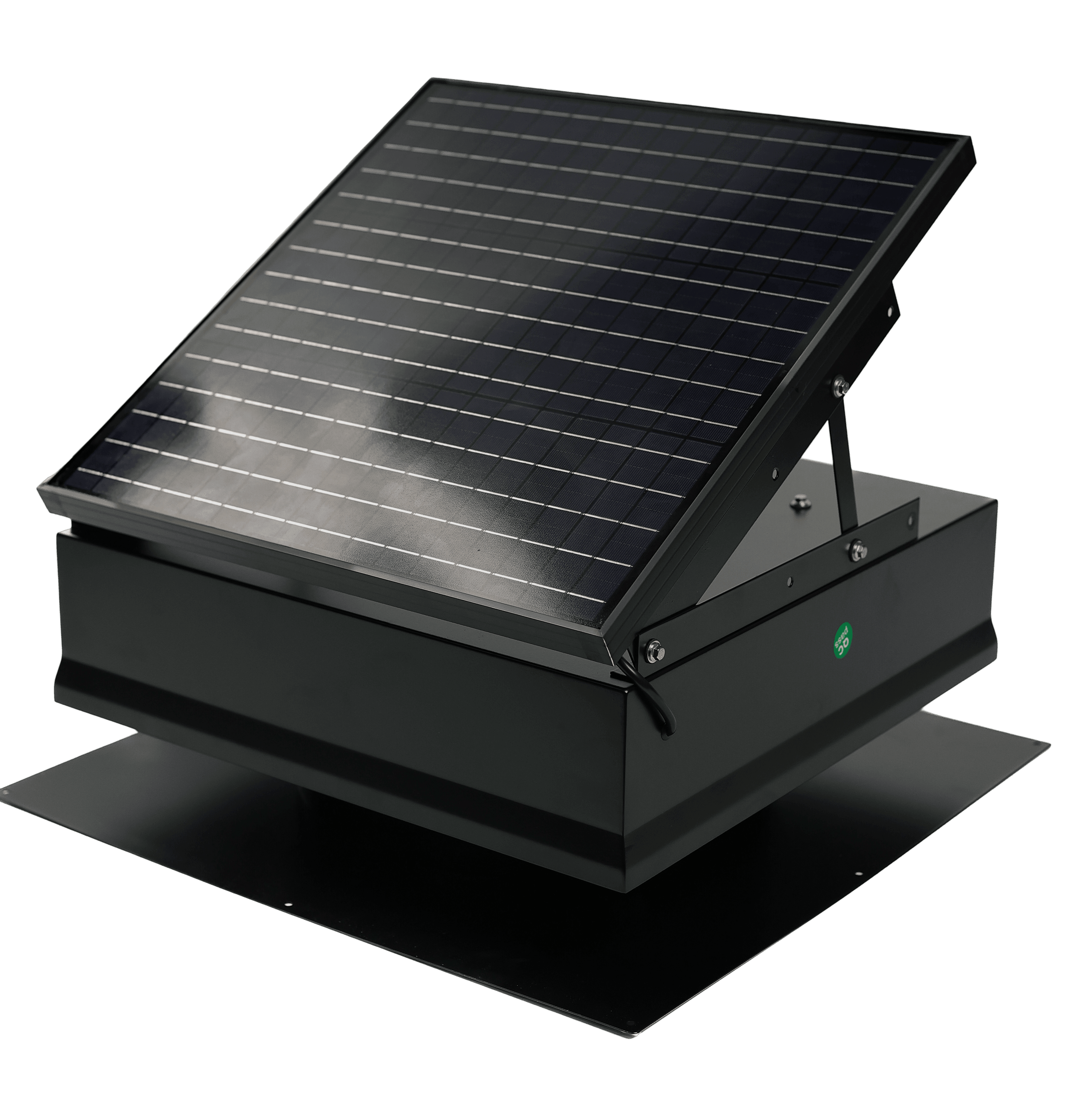
Present options without overpromising. Explain what the inspection establishes, what remains uncertain, and what each proposed scope includes. For a replacement, match the fan to the roof or gable location and the attic conditions, then follow current product specifications and installation education. The Attic Depot's solar attic fan product overview and individual product information can help contractors review available configurations.
How can fan repair calls become a broader attic service?
Many contractors already visit homes for roofing, insulation, HVAC, or energy-efficiency work. An attic fan complaint can prompt a useful review of related conditions the customer may not have considered. Keep the inspection practical and within your service offering. Look for blocked airflow, an attic access opening that is not insulated, or other observable issues, then explain which items are separate recommendations rather than bundling unrelated work automatically.
For example, an attic stair opening may be a separate opportunity to improve the seal at the access point. DraftMaster attic stairway insulators address attic access openings; they are not a fan repair part. Likewise, ComfortShield multi-layer insulation has a distinct role from an attic fan. Explain each product's function clearly if it fits the customer's actual needs.
For roofing contractors, a service call can also reveal an opportunity to discuss roof condition or a separate roof-care service when appropriate. Roof Cleaner and Shingle Serum serve different purposes from ventilation. Do not present either as a cure for a fan fault; connect them only to a relevant roof assessment and the customer's goals.
This approach can help you offer more solutions to customers you already serve. It also gives your crew a way to identify follow-up work without turning every service call into an oversized proposal. For a wider view of the available attic performance products, review each product's current details before building a service package.
How can contractors make the repair visit easier to understand?
A short, consistent report helps the customer see the value of the visit and supports a clear decision. Include:
- The reported symptom: Use the customer's words and note when it happens.
- What you inspected: Identify the fan type, visible condition, controls, and airflow observations.
- Your finding: Separate confirmed issues from items that need further evaluation.
- Recommended next step: Offer the repair, replacement, or additional assessment that matches the finding.
- What is outside this scope: If another issue needs separate attention, say so plainly and explain why.
Photos of the unit label, visible damage, and relevant airflow conditions can make the explanation more concrete. Keep recommendations specific: “clear this blocked intake and retest” is more actionable than “improve ventilation.” If replacement is recommended, show which details were used to identify a compatible product and refer to its current installation guidance.
What support can help you add attic fan services?
Adding ventilation work is easier when product knowledge and field support are available as your team builds experience. The Attic Depot serves contractors through a wholesale dealer program and offers product education, installation education, sales tools, marketing resources, technical support, and ongoing dealer support. Its contractor-first model means it does not sell directly to homeowners or compete with its dealer network.
Dealer enrollment is free, with no contracts and no order minimums. Contractors can start with basic company and contact information through the Become a Dealer page; the team can help with next steps. Learn more about The Attic Depot's contractor partnership or contact the team with product and technical questions.
Become a Dealer and explore contractor support
Frequently asked questions about attic fan repair
Can a homeowner tell whether an attic fan needs repair?
A homeowner can describe symptoms such as unusual noise or a fan that no longer runs, but diagnosing the cause requires identifying the unit and inspecting its condition, controls, and airflow path. A contractor can verify whether the issue points to a repair, replacement, or another attic concern.
Does a fan that runs need to be replaced?
Not necessarily. A running fan may still have noise, mounting, control, or airflow concerns. Inspect the equipment and the surrounding airflow path before recommending work. Replacement makes sense when the unit's condition, compatibility, or repair options support that recommendation.
Should every attic fan issue be treated as an electrical problem?
No. Attic fans differ in design and power source, and some symptoms come from controls, mechanical components, installation, or blocked airflow. Identify the installed model first and follow its instructions; do not assume the diagnostic steps for one fan apply to another.
What should a contractor document during the visit?
Record the customer's symptom, the fan and control details you can identify, visible conditions, checks performed, and the basis for your recommendation. This gives the customer a clear explanation and helps your team plan the next step.
Turn a repair call into a stronger customer solution
A good attic fan repair visit starts with diagnosis, not a default parts swap. Confirm the symptom, inspect the actual system, and explain whether a repair, replacement, or broader airflow assessment best fits what you found. With the right products, education, and dealer support, contractors can make ventilation service a practical addition to their existing business.