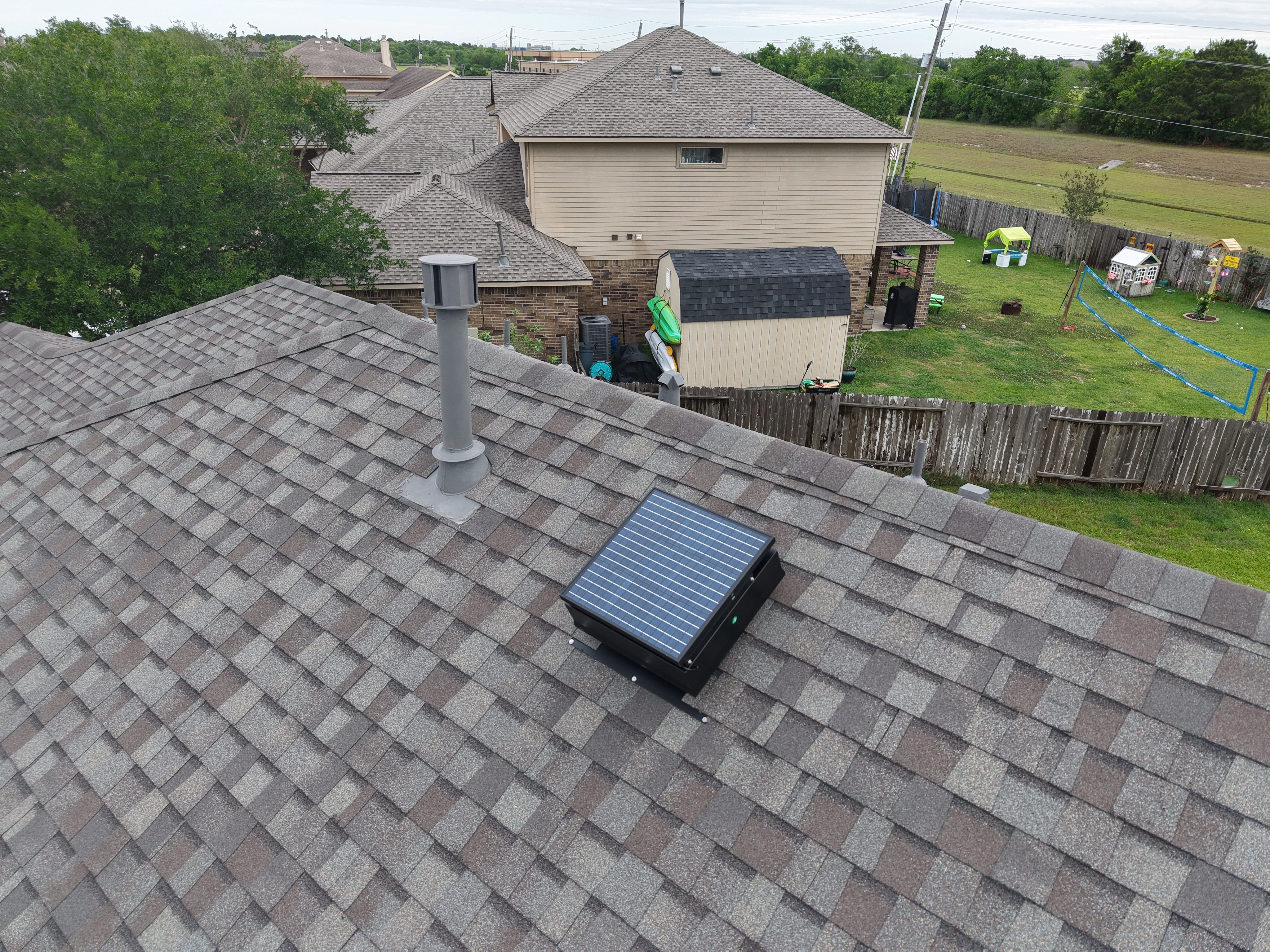

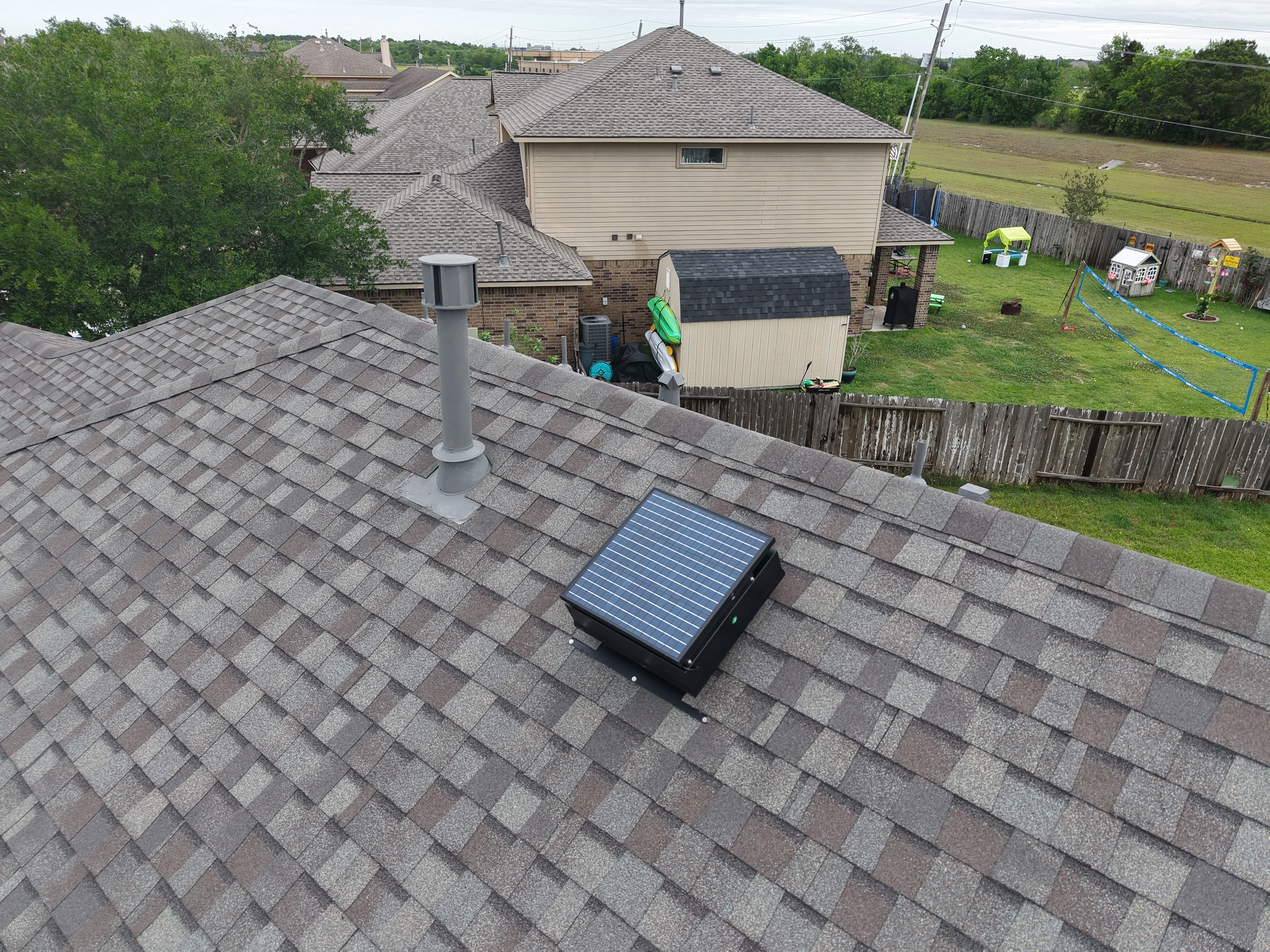
A dealer program should give a contractor more than access to another product line. It should make it easier to evaluate an attic-ventilation solution, explain it accurately to customers, and order with confidence. It should also protect the relationship after the sale.
Become a Dealer to discuss dealer enrollment, or call 832-379-5757 with contractor questions.
A solar attic fan contractor wholesale program can provide authorized contractors with dealer pricing after enrollment, product and installation resources, technical support, qualified fulfillment, and a supplier that does not sell directly to homeowners. The practical value is not a promised margin or guaranteed revenue. It is a framework for adding a professional offering with better information, dependable support, and room to build a repeatable service.
For contractors evaluating a program, the important questions are specific: How is pricing accessed? What training and sales tools are included? Can support help with product fit and installation questions? Are shipping terms clear, and will the supplier respect the dealer relationship? Looking at those details first shows what the program can actually contribute to your operation.
What Should Contractors Expect From a Solar Attic Fan Wholesale Program?
A dealer program should give contractors a clearer path to evaluate, specify, and order products, rather than simply provide a public product catalog. The Attic Depot is a wholesale supplier serving contractors throughout the United States, with contractor-focused products, training, and business resources. Its model is built for authorized professionals, not direct homeowner purchasing. Learn more about The Attic Depot as a contractor-focused wholesale partner.
That distinction matters when you compare suppliers. Look for access to the information and support needed to make sound product decisions, along with ordering terms that fit the way your crews actually work. A useful solar attic fan contractor wholesale program should support your operation without asking you to publish pricing or make unsupported promises to customers.
Pricing access without public retail positioning
Dealer pricing is not posted as public retail pricing. After you submit an enrollment form, a member of The Attic Depot team contacts you through your preferred method. The team provides dealer pricing, explains what is available, and finalizes the account. That process gives an authorized contractor the right context for evaluating products and ordering, while keeping dealer terms out of public consumer channels.
Do not treat a wholesale program as a promise of a specific margin, profit level, or sales result. Those outcomes depend on your market, labor, scope, customer offering, and pricing decisions. A more useful evaluation is whether the supplier provides dependable product information, responsive support, and terms you can apply consistently across projects.
Enrollment flexibility that fits real project volume
The Attic Depot states that dealer enrollment is free, with no contracts and no order minimums. It also states that there is no minimum dollar amount or individual-piece minimum. Some products may be sold by the case, so contractors should confirm packaging and quantity requirements before quoting or placing an order.
These details are worth checking against your workflow. Ask whether the program lets you test a product on an appropriate project. Replenish for planned work, and order according to actual demand instead of committing to a fixed purchasing schedule. You should also confirm which products are case-packed and how those quantities affect storage, delivery, and job scheduling.
Practical criteria for comparing programs
Use a simple comparison during supplier conversations. It keeps the evaluation focused on terms you can verify rather than broad savings language.
| Program question | What to verify |
|---|---|
| How is pricing handled? | Dealer pricing is shared privately after authorized enrollment. |
| What commitment is required? | Confirm whether there is no contract, dollar minimum, or individual-piece minimum. |
| How are products packaged? | Check whether the products needed for a job are sold by the case. |
| Who owns the customer relationship? | Verify that the supplier does not sell directly to homeowners. |
| What help is available? | Ask about training, installation guidance, technical support, and sales resources. |
- Is dealer pricing shared privately after authorized enrollment?
- Can you enroll without a contract, dollar commitment, or individual-piece minimum?
- Are case quantities explained before you place an order?
- Does the supplier serve contractors rather than competing with them through direct homeowner sales?
- Can you access training and product support when your team needs to apply the product correctly?
The strongest fit is not necessarily the supplier with the loudest savings claim. It is the program whose terms, support, and contractor-first model help you make disciplined product and fulfillment decisions.
How Dealer Resources Turn a Product Into a Sellable Service
A solar attic fan becomes easier to sell when the contractor can explain where it fits, how it will be installed, and what the customer should expect after the work is complete. The product itself is only one part of that conversation. Training, sales resources, marketing materials, installation guides, technical support, and a dealer resource library give your team a repeatable way to move from product interest to a clearly defined service.
Give the sales team a practical explanation
Customers may ask whether a solar attic fan is appropriate for their attic, how it works with existing ventilation, and what the installation involves. Sales resources help contractors answer those questions without relying on vague claims or improvised explanations. Use product information and marketing materials to show the available solar attic fan product options, then connect the discussion to the customer's attic conditions and project goals.
This approach also keeps the conversation accurate. Dealer pricing is not presented as public pricing. After an enrollment form is received, a member of The Attic Depot team contacts the applicant to provide dealer pricing, review what is available, and finalize the account. That process gives the contractor a clear commercial starting point without publishing pricing that is intended for authorized dealers.
Support confident installation and follow-through
Training and installation guides are most useful when they help the crew understand the product before arriving at the job. A contractor resource library can keep the same information available for estimators, installers, and service managers, so the customer receives a consistent explanation from the first inspection through final handoff. Technical support gives the team a place to raise product-fit or installation questions instead of guessing in the field.
Marketing and sales tools serve a different purpose. They help contractors present the service in their own brand and explain the work in language a property owner can understand. The goal is not to promise a particular energy result or sales outcome. It is to make the scope, product role, and installation process clear enough for the customer to make an informed decision.
Become a Dealer to access contractor-focused training, sales resources, and support for your next solar attic fan project.
Choose a supplier that supports the contractor relationship
Resources have more value when the supplier operates as a contractor partner. The Attic Depot states that it does not compete with customers by selling directly to homeowners. That distinction lets the contractor own the customer relationship while using supplier-provided training, sales support, installation guidance, and technical help as part of its operating process. Learn more about the company's contractor-focused wholesale partner model before evaluating a program.
Reliable access matters, too. The Attic Depot says its products are fully stocked and ready to ship from a 20,000-square-foot warehouse. For a contractor, that information is useful when planning how a new solar attic fan service will fit into quoting, scheduling, and material ordering. The stronger program is not necessarily the one with the loudest product claims. It is the one that helps your team explain the work, install with care, and support the customer after the sale.
Where Technical Training and Support Protect Job Quality
A solar attic fan installation is not just a product choice. The contractor has to understand the attic's existing ventilation, select a product that fits the project, and explain the work accurately to the customer. That is where technical training and responsive support help protect job quality. The Attic Depot lists free training, installation guides, technical support, and a library of contractor tools among the resources available to its partners.
Start with the ventilation system, not the fan
Attic ventilation fans exhaust air from the attic and draw replacement outdoor air through intake vents in soffits, eaves, or gables, according to the U.S. Department of Energy's Building America Solution Center. That basic airflow relationship matters during an attic assessment. A contractor should look for a workable intake path and consider how the proposed exhaust fan fits into the existing system rather than treating the fan as an isolated component.
The same source distinguishes attic ventilation fans from whole-house fans. An attic fan serves the unconditioned attic, while a whole-house fan is designed to exhaust and cool the living space. Keeping those functions separate helps contractors set the right scope and avoid explaining an attic ventilation product as though it were a whole-house cooling system. Ventilation can also relate to moisture, ice-dam risk, and summer heat in unconditioned attics, but the expected result depends on the building, climate, and overall ventilation design.
Solar-powered attic fans operate when sunlight is available and do not draw power from the home's electrical system. The Building America Solution Center also notes that attic fans may be electrically powered, solar powered, or hybrid. Those distinctions give contractors a useful framework for discussing product fit without making a blanket performance promise.
Keep product and warranty conversations precise
Technical support is most valuable when a project raises a question that cannot be answered responsibly from a general rule. Ask for help with product selection, installation details, unusual attic conditions, or the limits of a claim before presenting an answer to the homeowner. The Attic Depot describes its support model as a combination of practical training, product resources, installation guidance, and a team that helps contractors work with confidence.
Warranty discussions deserve the same discipline. Review the terms for the specific product and model, including what is covered and any exclusions, instead of describing a general warranty promise across the portfolio. Contractors can review the applicable solar fan warranty coverage and confirm open questions with the support team. For product selection and model-specific information, see the solar attic fan product options page. This product-specific approach protects the installation decision, the customer conversation, and the contractor's reputation.
Why Fulfillment Terms Matter on Contractor Jobs
On a live roofing, insulation, or HVAC job, fulfillment is part of project planning. A product that ships when expected helps you coordinate labor, customer communication, and the next visit without creating avoidable gaps in the schedule. That is especially important when you are evaluating a solar attic fan contractor wholesale program for work across multiple service areas.
The Attic Depot states that orders within the continental United States qualify for free ground shipping. The published shipping terms also state that orders placed by 2:00 PM Central, Monday through Friday, are typically shipped the same business day. This is a shipping cutoff, not a guaranteed delivery time. You still need to account for transit time, the destination, inventory availability, and the carrier's schedule when setting expectations with a customer.
There are clear exceptions to the cutoff. Orders placed after 2:00 PM Central, on weekends, or on holidays ship the next business day. If a job depends on material arriving by a specific date, place the order early enough to allow for those exceptions. Once the order ships, tracking information is provided so your team can monitor its progress and make better decisions about staging labor and confirming the next appointment.
Ordering flexibility also matters when demand varies from one job to the next. The Attic Depot says there are no order minimums, contracts, minimum dollar amounts, or individual-piece minimums. That does not mean every product is packaged as a single unit. Some products are sold by the case, so confirm the applicable case quantity before finalizing a material list. No minimum order and case-based packaging are separate terms, and understanding both helps prevent surprises in estimating or storage.
Review the complete shipping terms before building a delivery promise into your workflow. A practical process is to check that the product is in stock, place qualifying orders before the weekday cutoff, save the tracking information, and communicate any next-business-day exception to the person coordinating the job. Those small steps make fulfillment easier to manage without overstating what shipping terms can guarantee.
How the Non-Compete Promise Protects Dealer Relationships
A wholesale relationship works only when contractors can confidently invest in customer education, installation quality, and follow-up without wondering whether the supplier will approach those same homeowners directly. The Attic Depot describes itself as a wholesale supplier serving contractors throughout the United States, with products, training, and business resources built around that channel. That contractor-first structure is especially important when evaluating a solar attic fan contractor wholesale program.
The non-compete promise is direct: The Attic Depot does not sell its products directly to homeowners or members of the public. It also states that it does not compete with customers by selling directly to homeowners. For a roofing, insulation, HVAC, or energy-efficiency contractor, this creates a clearer division of responsibility. The dealer owns the homeowner relationship and the project conversation, while the wholesale partner supplies product access and support behind the scenes. Learn more about The Attic Depot as a contractor-focused wholesale partner.
Why pricing confidentiality matters
Dealer pricing is not presented as public retail pricing or an open consumer checkout offer. It is provided after an enrollment form is received and the team contacts the applicant. Authorized dealers should keep The Attic Depot pricing private rather than posting it as a public price list. That protects the context in which a contractor quotes a complete project, including assessment, labor, installation, and customer service.
This approach does not mean every dealer receives an identical offering or that a contractor has an exclusive territory. It means the commercial details are handled through an authorized dealer relationship rather than broadcast to the market. Contractors should review the enrollment terms and ask the team how pricing, product availability, and support fit their own business before making customer-facing claims.
Keep dealer pricing private
Dealer pricing is intended for the authorized dealer relationship rather than public retail positioning. Keeping those terms private helps contractors quote a complete project, including assessment, labor, installation, and customer service, without turning supplier pricing into a public price list.
For contractors, the practical takeaway is simple: a strong wholesale partner should help you serve homeowners without trying to become your retail competitor. The Attic Depot's non-compete model and contractor-first pricing approach support that distinction. They give contractors a defined channel for presenting products, setting project expectations, and building trust over repeated jobs.
How Contractors Can Use the Program to Build a Repeatable Offering
A repeatable offering starts with a clear process, not a promise of guaranteed sales. Contractors can use dealer support to decide where solar attic fans fit, prepare their teams. Explain the work accurately, and make each project easier to manage than the last. The goal is a consistent customer experience that your company can evaluate and improve over time.
- Qualify the fit. Begin by identifying the types of attic and roofing projects where solar attic fan products may be relevant. Review the solar attic fan product options and consider your existing services, crew capabilities, and customer questions. Keep the recommendation tied to the specific project rather than treating every attic as the same.
- Use training and resources. Build product knowledge before making the offering part of your sales process. The Attic Depot says product training is free for its customers, and its in-person training covers components, installation, selling, and customer education. Contractors can also use the available dealer training resources to continue developing product and sales knowledge. Make the relevant training part of onboarding for new team members, then use refresher sessions when questions or installation patterns emerge.
- Scope and explain the work. Create a simple internal checklist for the site assessment, product selection, installation assumptions, and customer handoff. Use training to help your team explain what the product does and how it fits the project without overstating performance. Sales conversations should focus on the customer's attic conditions and the work your company will perform. Use the contractor training and installation resources available through the dealer program to support a more consistent explanation across estimators, installers, and service staff.
- Order and schedule. Once the scope is approved, use a standard ordering and scheduling sequence. The Attic Depot states that products are stocked and ready to ship from its 20,000-square-foot warehouse. Contractors can place orders by contacting customer service at 832-379-5757 or by email. Confirm the product, quantity, delivery details, crew assignment, and customer communication before the installation date.
- Follow up and expand. After installation, document what was installed, answer the customer's questions, and record any field feedback. Review which project types were a good fit, where the team needed more training, and which customer explanations worked best. The Attic Depot's weekly contractor webinar offers a way to keep learning as your process develops. Those lessons may help you decide whether to expand the offering within related roofing, insulation. HVAC, or energy-efficiency work, but results will depend on your market, execution, and customer demand.
Become a Dealer to discuss the program, or call 832-379-5757.
Frequently Asked Questions
How do contractors access dealer pricing for solar attic fans?
Dealer pricing is shared after you submit the enrollment form and a member of The Attic Depot team contacts you. Pricing is not posted publicly, and authorized dealers agree to keep it confidential. Become a Dealer to start the process. (Source: https\://www\.theatticdepot.com/become-a-dealer-form)
Does the dealer program require a contract or minimum order?
No. The Attic Depot says dealer enrollment does not require contracts or minimum orders. Some products are sold by the case, but there is no minimum dollar amount or individual-piece minimum. (Source: https\://www\.theatticdepot.com/faq)
What training and support are available to contractors?
Dealer resources include product training, installation guidance, sales and marketing materials, and technical support. The Attic Depot also describes a dealer resource library with training, technical documents, brochures, sales tools, static ads, and short social media videos. (Source: https\://www\.theatticdepot.com/about)
What warranty coverage applies to solar attic fans?
The Attic Depot states that its solar fans carry a limited lifetime warranty against manufacturing defects. Coverage is subject to evaluation, and labor for removal or reinstallation is not covered. Review the product warranty terms for the specific model before setting customer expectations. (Source: https\://www\.theatticdepot.com/our-warranties)
How does the wholesale model protect contractor relationships?
The Attic Depot does not sell directly to homeowners, so contractors retain the customer relationship. This non-compete approach is designed to support an authorized dealer network rather than compete with it through direct consumer sales. (Source: https\://www\.theatticdepot.com/about)
Ready to Become a Solar Attic Fan Dealer?
If you want to evaluate solar attic fan products with practical training, fulfillment support, and resources for contractor conversations, becoming an authorized dealer is a useful next step. Dealer pricing is shared after enrollment, so you can discuss product fit and program details directly with the team. Become a Dealer to get started, or call [832-379-5757]() to talk with The Attic Depot about products, training, fulfillment, and contractor support.